
Francisco de Vitoria and the Humanization of International Law
The Royal Academy of Jurisprudence and Legislation of Spain hosts a new session of the lecture series “Spanish Scholasticism”
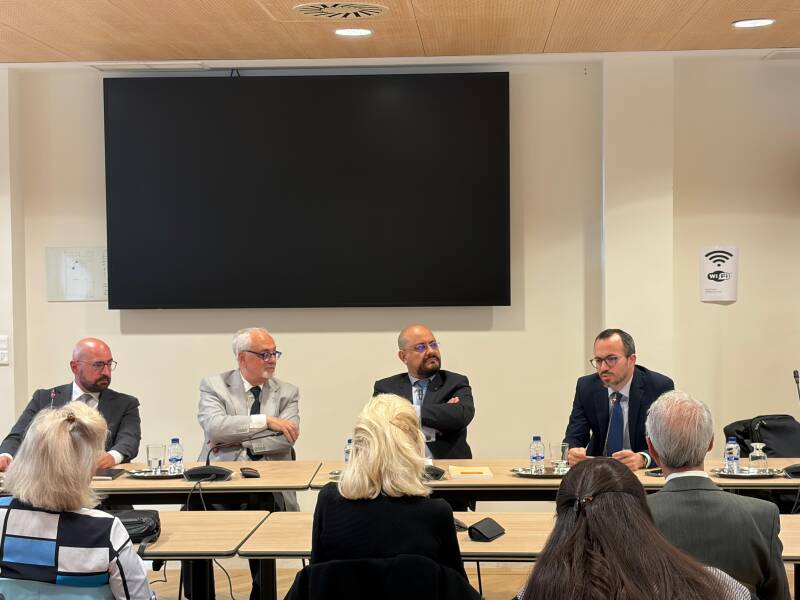
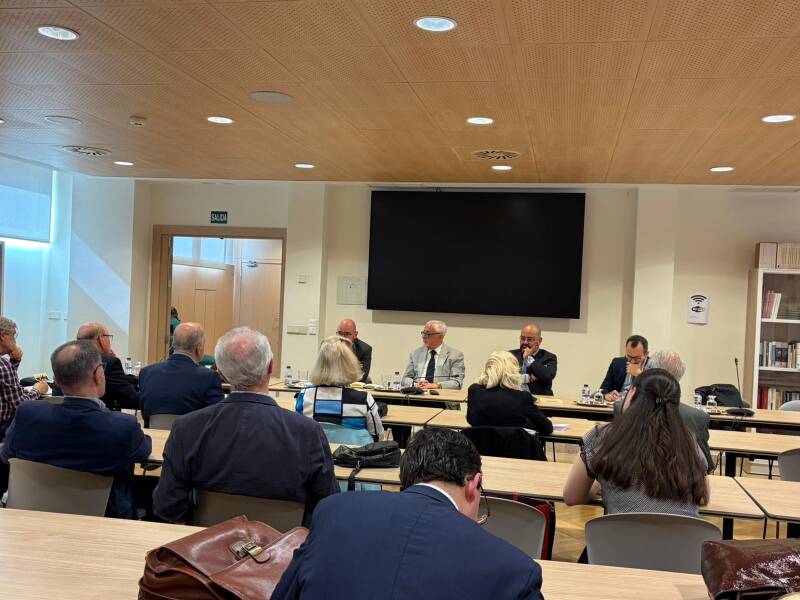
The Royal Academy of Jurisprudence and Legislation of Spain held on Wednesday, April 22, a new conference within its academic lecture series “Spanish Scholasticism,” devoted on this occasion to the figure of Francisco de Vitoria and his contribution to the humanization of International Law.
The lecture, entitled “Francisco de Vitoria and the Humanization of International Law,” was delivered by Professor Harold Bertot Triana, who examined the enduring relevance of Vitoria’s thought in shaping a universal and humanist conception of the law of nations.
The conference emphasized how Francisco de Vitoria (1483–1546), a leading figure of the School of Salamanca, developed a vision of the ius gentium grounded in human dignity, the legal equality of peoples, and the existence of a universal community of nations (totus orbis). In contrast to the imperial and exclusionary doctrines of his time, Vitoria argued that no political authority possessed universal dominion and that all peoples — including non-Christian communities — were holders of natural rights.
The presentation also explored the importance of Vitoria’s major relectiones, especially On Civil Power, On the Indians, and On the Law of War, which are regarded as foundational texts for understanding the emergence of a universal conception of International Law.
The lecture further highlighted the contemporary significance of Vitoria’s thought, particularly regarding the development of human rights, International Humanitarian Law, and the progressive humanization of the international legal order. In this regard, it was noted that the evolution of International Law throughout the twentieth century — including the consolidation of international organizations, the international protection of human rights, and the recognition of jus cogens norms — largely represents a return to the humanist vision advanced by the Salamanca scholar.
The session also addressed the doctrinal debate concerning Francisco de Vitoria’s status as a founder of modern International Law, a discussion revived in the twentieth century by scholars such as James Brown Scott and revisited in recent contemporary studies on the intellectual history of the law of nations.
_______________________________________________________________________________________________________________________
Francisco de Vitoria y la humanización del Derecho Internacional
La Real Academia de Jurisprudencia y Legislación de España celebra una nueva sesión del ciclo “La escolástica española”
La Real Academia de Jurisprudencia y Legislación de España celebró el miércoles 22 de abril una nueva conferencia de su ciclo académico “La escolástica española”, dedicada en esta ocasión a la figura de Francisco de Vitoria y su contribución a la humanización del Derecho Internacional.
La ponencia, titulada “Francisco de Vitoria y la humanización del Derecho Internacional”, fue impartida por el profesor Harold Bertot Triana, quien analizó la relevancia del pensamiento vitoriano en la construcción de una concepción universalista y humanista del derecho de gentes.
Durante la conferencia se destacó cómo Francisco de Vitoria (1483-1546), figura central de la Escuela de Salamanca, desarrolló una visión del ius gentium basada en la dignidad humana, la igualdad jurídica de los pueblos y la existencia de una comunidad universal de naciones (totus orbis). Frente a las concepciones imperiales y excluyentes de su tiempo, Vitoria defendió que ningún poder político poseía dominio universal y que todos los pueblos —incluidos los no cristianos— eran titulares de derechos naturales.
La exposición abordó además la importancia de sus principales relecciones, especialmente Sobre el poder civil, Sobre los indios y Sobre el derecho de la guerra, consideradas fundamentales para comprender el nacimiento de una idea universal del Derecho Internacional.
La conferencia subrayó igualmente las consecuencias contemporáneas del pensamiento de Vitoria, particularmente en el desarrollo de los derechos humanos, el Derecho Internacional Humanitario y la progresiva humanización del orden jurídico internacional. En este sentido, se destacó que la evolución del Derecho Internacional durante el siglo XX —incluyendo la consolidación de organizaciones internacionales, la protección internacional de los derechos humanos y la afirmación de normas imperativas del ius cogens— representa, en gran medida, un retorno a la visión humanista defendida por el jurista salmantino.
Asimismo, se examinó el debate doctrinal sobre la consideración de Francisco de Vitoria como fundador del Derecho Internacional moderno, cuestión revitalizada en el siglo XX por autores como James Brown Scott y recientemente revisada por estudios contemporáneos sobre la historia intelectual del derecho de gentes.

Añadir comentario
Comentarios