University of A Coruña Hosts International Webinar on Effective Justice and Electronic Evidence
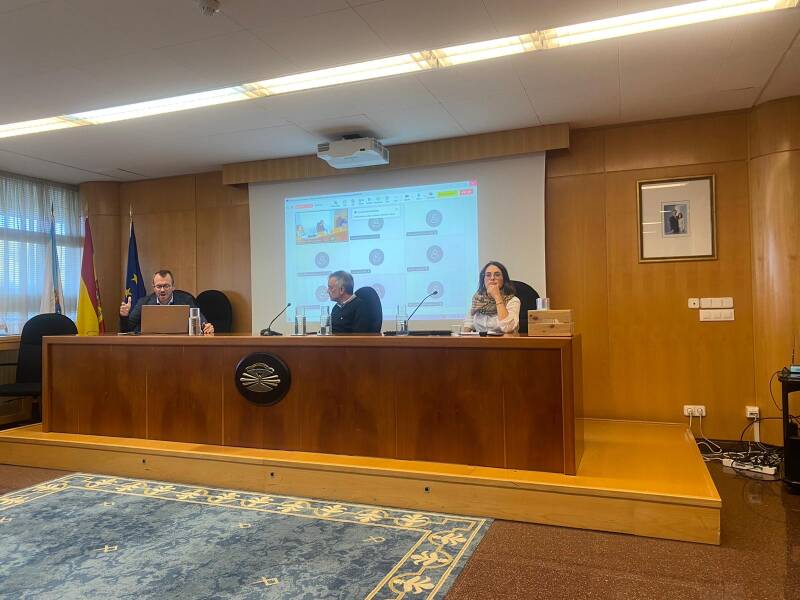
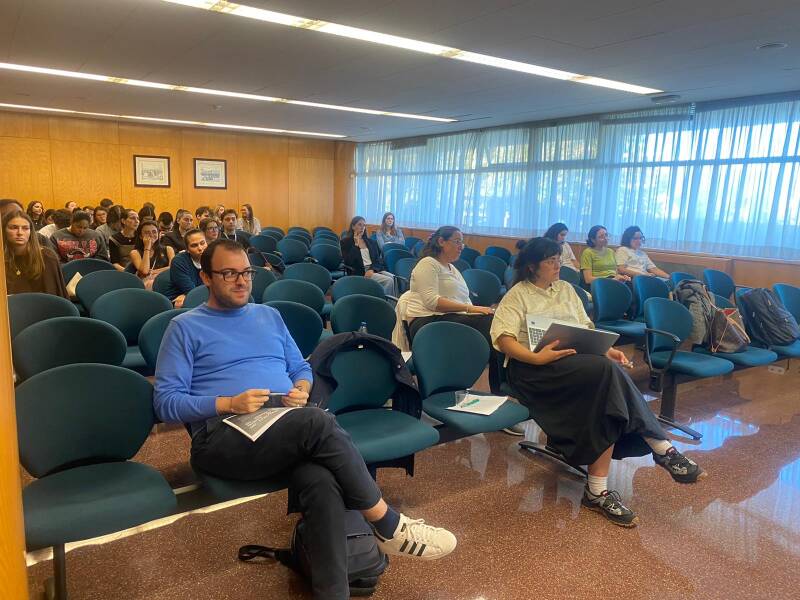
The Faculty of Law at the University of A Coruña (UDC) hosted the online seminar "Effectiveness and Evidence – Electronic Evidence and New Tools of Mutual Cooperation" on October 10th, organized within the framework of the Effective Justice Research Platform. The event, broadcast via the TEAMS platform, brought together prominent national and international experts in Procedural Law and European Judicial Cooperation.
The opening ceremony featured addresses by Xulio Ferreiro Baamonde, Professor of Procedural Law at UDC, and Barbara Janusz-Pohl, Professor of Criminal Procedure at Adam Mickiewicz University in Poznań (Polonia), who highlighted the importance of scientific collaboration in the fields of digital justice and procedural efficiency in Europe.
First Session: Effectiveness and Evidence
The first part of the webinar, titled "Effectiveness and Evidence," addressed various approaches to procedural efficiency and the use of new technologies in the judicial realm.
-
David Soto Díaz, Assistant Professor at UDC, presented "Enhancing procedural efficiency through plea-bargaining," focusing on the role of plea agreements as a tool for streamlining judicial procedures.
-
Amara García Adán, a PhD candidate at UDC, presented "Facial Recognition Systems and Evidence," analyzing the evidentiary and ethical challenges of using facial recognition systems in criminal proceedings.
-
Elena Díaz Galán, Professor of Public International Law at Rey Juan Carlos University, delivered "Tools and implementation of social rights in Europe: the problem of effectiveness," reflecting on the difficulties in the effective implementation of social rights within the European context.
-
The session concluded with Harold Bertot Triana, Professor of Public International Law at the International Business University, presenting "Margin of national appreciation in the jurisprudence of the ECHR and Article 6 of the ECHR (Right to a fair trial)," highlighting the tension between the national margin of appreciation and the right to a fair trial.
Second Session: Mutual Cooperation, Evidence and Investigation
The second part of the seminar, dedicated to judicial cooperation and electronic evidence, featured timely presentations on the digitalization of European law.
-
Ana Neira Pena, Professor of Procedural Law at UDC, presented "Spain's Implementation Gap: Non-Harmonization of Confiscation and Freezing Orders under EU Regulation 2018/1805," analyzing challenges in transposing and applying European regulations on confiscation and freezing orders.
-
Michał Wawrzyńczak, a PhD candidate at Adam Mickiewicz University, spoke on "Assessing Effectiveness of Criminal Justice Cooperation Instruments in the EU Through Mutual Trust and Fair Trial Standards," focusing his analysis on mutual trust as a pillar of judicial cooperation.
-
Elisabet Cueto Santa Eugenia, Law Professor at ICADE, delved into the challenges of "Mutual cooperation and electronic evidence," focusing on the cross-border obtaining and validity of electronic evidence.
-
Finally, Yosua Martínez Rodríguez, Associate Professor and PhD candidate at UDC, closed the event with his presentation "Regulation (EU) 2023/2844 on the Digitalisation of Judicial Cooperation and Access to Justice," in which he highlighted the implications of the new European regulation on judicial digitalization and access to justice.
The webinar underscored the importance of collaborative research and the constant updating of legal tools in the face of the technological and regulatory challenges confronting contemporary European justice.
Añadir comentario
Comentarios