I Seminar “Advances and Setbacks of Democracy in the European Space” brings together international experts to discuss democratic challenges in Europe

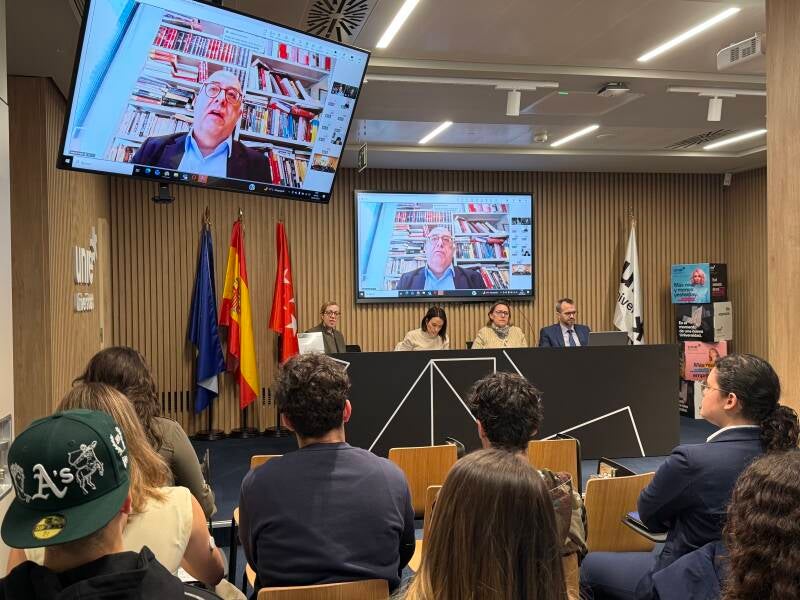
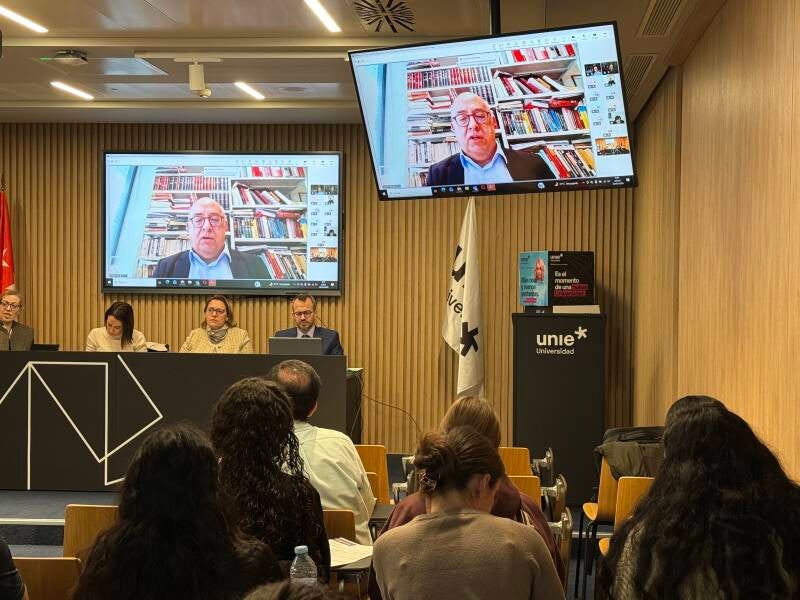
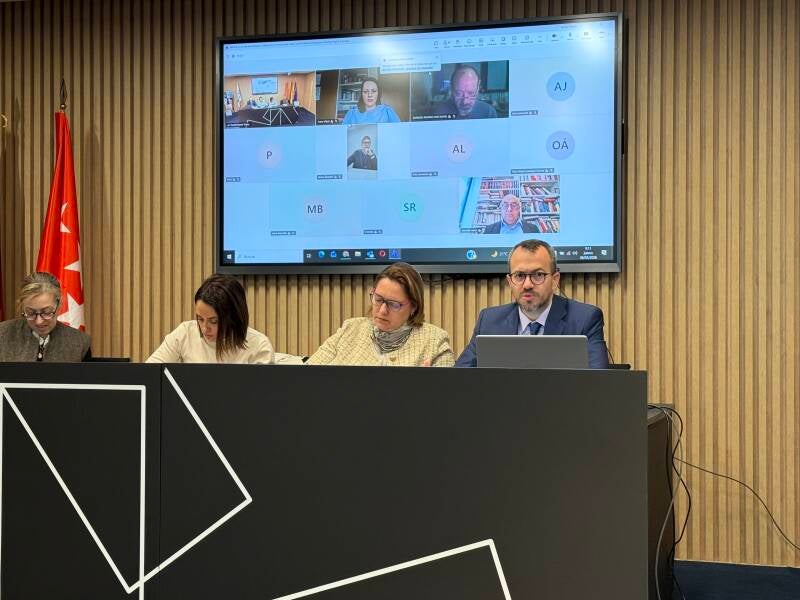
Madrid, 27 March 2026 — The seminar Advances and Setbacks of Democracy in the European Space was successfully held on 26–27 March 2026 in hybrid format, bringing together academics and specialists from several European universities and research institutions. The event addressed current challenges affecting democracy, rule of law, and human rights within the European Union and neighbouring countries.
The seminar opened with welcoming remarks by Susana Checa Prieto, who highlighted the importance of academic dialogue in strengthening democratic values and promoting institutional cooperation.
During the first session, José Alberto Azeredo Lopes analyzed Europe’s current democratic crossroads, emphasizing tensions between internal democratic crises and international double standards. Elena Carolina Díaz Galán focused on the protection of human rights before the Court of Justice of the European Union, identifying emerging legal challenges and jurisprudential developments.
Ramiro Díaz-Maroto Oro examined the rise of populism and digital communication strategies used by far-right political actors, while Marina Matić Bošković discussed judicial independence and democratic backsliding in EU Member States and candidate countries. Xulio Ferreiro Baamonde addressed the implications of algorithmic design in criminal justice systems and its impact on democratic guarantees.
The discussion continued with Sanja Jelisavac Trošić, who assessed the European Union’s normative power and democratic fatigue in Serbia. Ivana Miljuš presented European standards for safeguarding vulnerable victims in criminal proceedings, and Aleksa Škundrić explored the relationship between truth determination and fair trial principles.
The second day began with Barbara Janusz-Pohl’s presentation on the Court of Justice of the European Union and its approach to judicial organization and EU values. María José Molina García highlighted the role of universities in promoting democratic inclusion and accessibility. Veronika Stoilova discussed the interaction between international public law and EU law in strengthening democracy and human rights.
Jelica Gordanić addressed the emergence of fourth-generation human rights and the tensions they create within the EU legal framework. Natalija Shikova analyzed democratic developments in North Macedonia, highlighting both advances and persistent challenges. Deyan Dimitrov analices human rights protection in maritime spaces.
Fernando Domínguez Sardou revisited the debate on the democratic deficit in the European Union and its implications for European citizenship. The seminar concluded with Harold Bertot Triana’s analysis of the EU enlargement process and the 2025 Council Presidency conclusions on democracy, rule of law, and human rights.
The event closed with a final debate session in which participants emphasized the need for continued academic cooperation, stronger institutional safeguards, and renewed commitment to democratic values across Europe.
The seminar formed part of the activities of the Jean Monnet Module focused on rule of law, democracy, and human rights, and successfully fostered interdisciplinary dialogue among scholars and practitioners from across the European space.